Your basket is currently empty!
Category: Case Studies
-

Great adventures: My wheelchair set me free
Using a wheelchair can be a positive experience. For Dr Caroline Crook-Bowen, it opened up a whole new world.
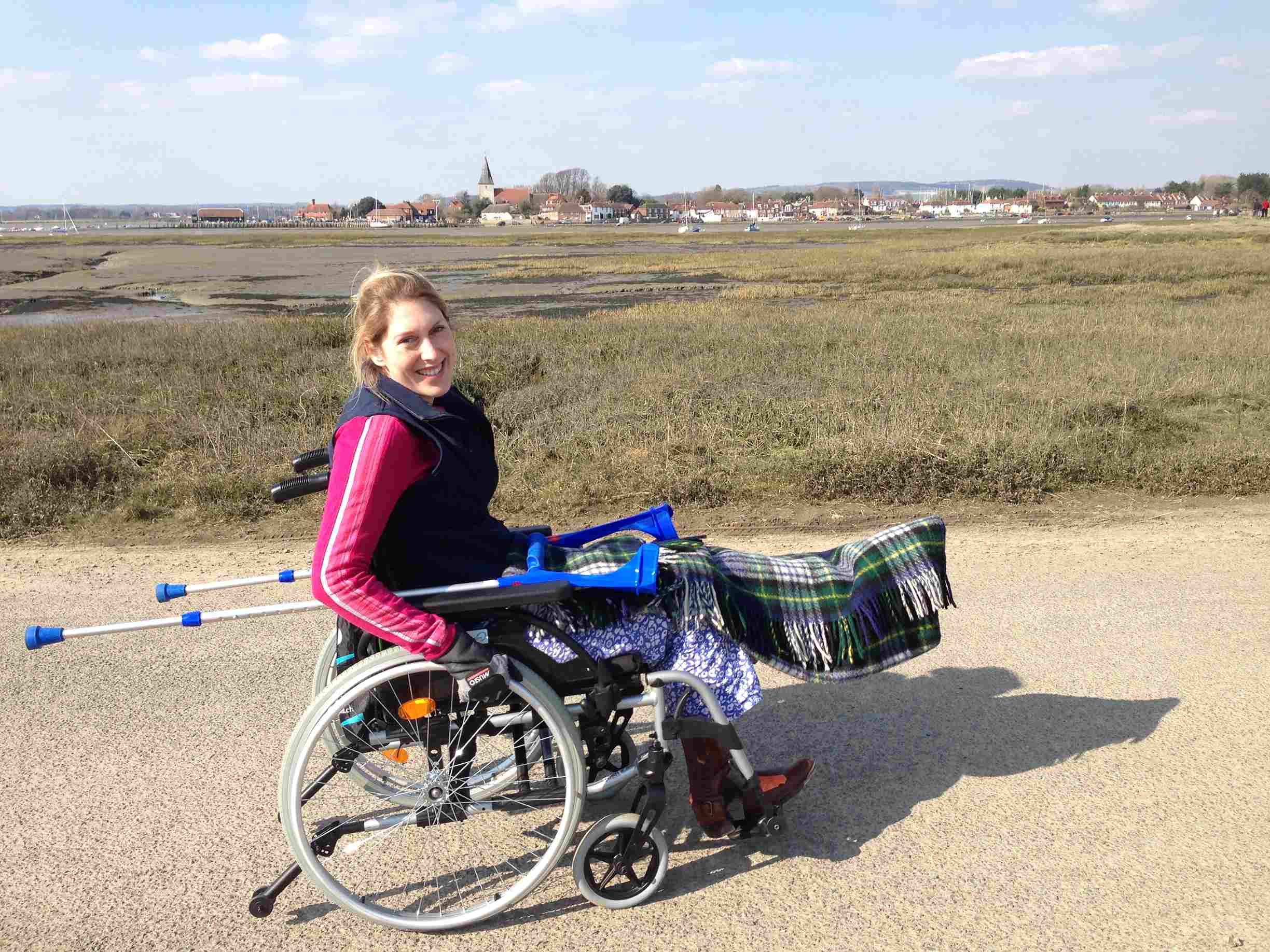
When keen skier Caroline Crook-Bowen broke her ankle in three places and faced months of rehabilitation, she was expecting a grim time. But she discovered within weeks that life in a wheelchair was liberating.
“It became this most amazing tool that I could use to go out and explore places,” she said.
The wheelchair became her lifeline and allowed her to shop, get out of her first floor London flat and stay socially connected.
‘My wheelchair unlocked a lot of positivity and opportunity,” she said.
“For the most part, people were really, really helpful. It was totally liberating.”
The pavements in London were difficult, but the transport system served Caroline well and she travelled the country visiting friends and family.
The climate tech entrepreneur sustained some serious injuries. But it was the damage to her ankle which made life tough as she was unable to put any weight on her foot.
Fortunately her mother met her in the UK with a wheelchair with a leg extender.
“She got it from a company called WheelFreedom,” said Caroline. “It was such a perfect name because the wheelchair gave me so much freedom.”
But for Caroline, a loss of mobility was more than about not getting around: “I would say at times I did feel very isolated, even with the wheelchair. And so I can only imagine how bad it would have been without it.

“You start to lose your connections. For me, it was about getting better. But I can also imagine for older people… how quickly you start to disengage with society.”
Although she was embarrassed by the fuss created when she went into restaurants, she was astounded at the effort local businesses made to accommodate her, even though the chair didn’t fit the tables.
But there was still a problem:
‘They’ve got to have a space to put your chair when you’re not in it. That was a real barrier. Mobility scooters… they’re pretty big and chunky too. And then you’ve still got to park them somewhere.”
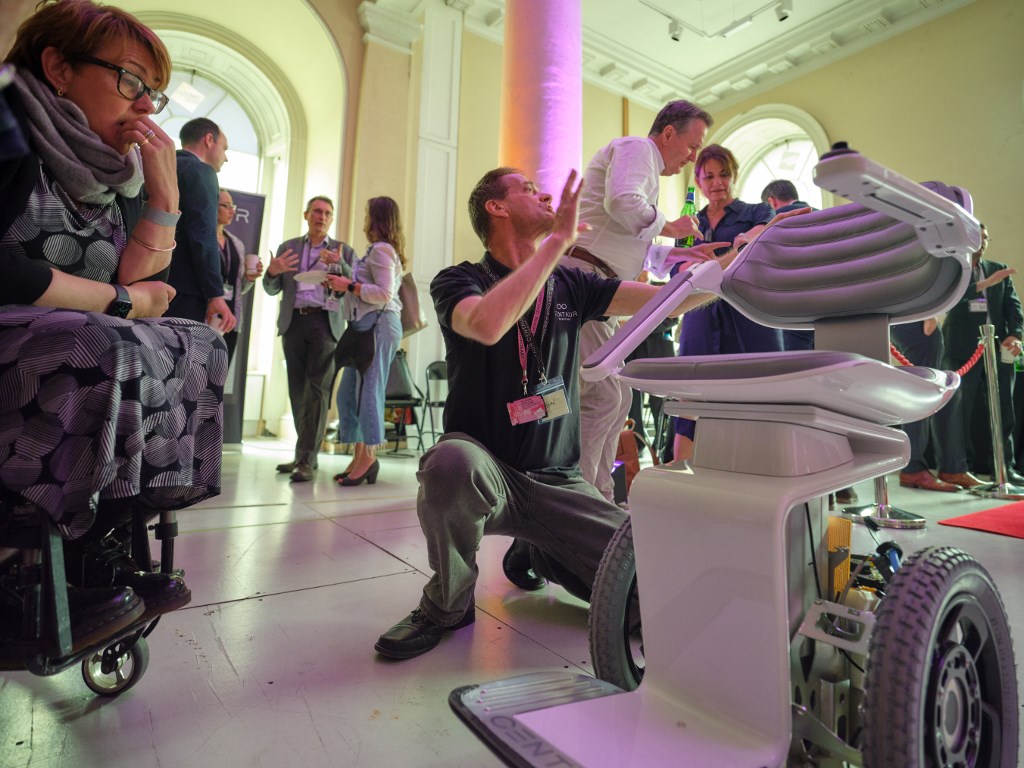
A powered chair – like the Centaur – would have made life easier.
“I love the way the Centaur fits under the table. And I love the way it can go up at the bar. It can just raise you up so you can pick things off a shelf.
“Being able to do all of that in a chair is incredibly valuable. And I think that inclusivity is really important.”
She described the Centaur as solving a problem and shaping it around a human need.
“The Centaur’s quite exciting. It doesn’t look medical. It looks comfortable. It’s a lovely elegant design, it’s electric and in a restaurant it allows you to move between tables and chairs, without causing a huge kerfuffle.”
Caroline made a full recovery and a year after the accident signed up to circumnavigate the world in a yacht race.
But she looks back at her time in the wheelchair with a lot of positivity. “It was the only way I could exercise and get fresh air. And I got to know a lot of great people along the way. I had some great adventures.”
-

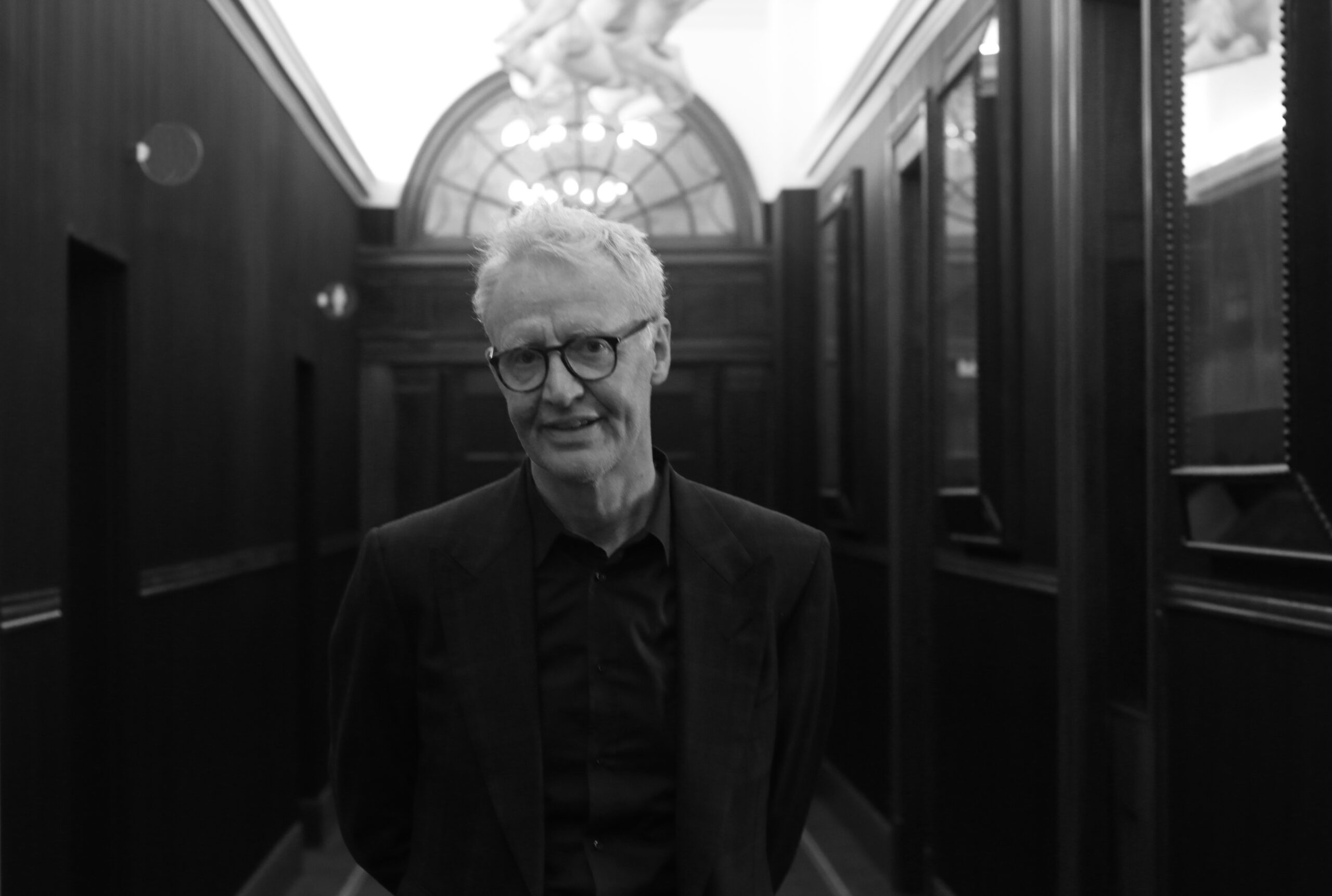
Event entrepreneur Charles Boyd: Why I’m backing the Centaur
Charles, who has invested in the Centaur since 2015, said he was enthralled from the first time he saw it. “It’s all about a feeling,” he said. “Right from the start, what hooked me on this product is the simple emphasis on making people feel good about being in a chair. How the Centaur makes users feel is just my absolute driver on this.”
Small footprint
Charles said that people with mobility problems want to feel proud of how they look – and the Centaur does exactly that. The small footprint, the manoeuvrability – and a lifting chair that allows riders to look standing people in the eye – helps create a level playing field, he said. It also looks good, he added.

‘Cool and trendy’ chair
Charles has been at the forefront of the events and hospitality industry for more than 30 years. He owns 8 Northumberland Avenue, one of the most prestigious event venues in the UK, with a ballroom which surpasses that of Buckingham Palace.
“If you’re arriving on a trendy looking chair like the Centaur, your fellow guests, the staff, the suitability of the building and things are all much better with that low impact, smart, clever chair. You want to be cool.
“The space taken up by the Centaur is little more than one person with a bag in their hand. If you go into a restaurant in a wheelchair, they have to clear a path for you. These are feelings you don’t want. If people have to get out of your way, that’s not a comfortable place to be in. You don’t want these emotions, do you?
“People don’t want pity – and what I love about the Centaur is it reverses that. When you are talking to somebody, you are looking them in the eye – it’s also about making more able-bodied people want one.”
‘Beautiful’ aesthetics
When the Centaur was recently put through its paces at 8 Northumberland Avenue, the staff loved it.
“They’re really proud to be part of the Centaur,” said Charles. “There was a lot of interest in it while the chair was here and I think every member of staff on duty that day came to see it.”
He added that the beautiful aesthetics of the Centaur, its great design, are the absolute key inspirers for him.
Cumbersome devices like mobility scooters create problems for hospitality venues. “They’re enormous and look awful,” he said. “People have to park them outside where they are often in the way and then somehow decamp to a chair. There are risks of them falling while they do that. These are important health and safety implications for venue owners.”
While the Centaur not only overcomes these problems, it enhances the user experience, adding more than just functionality.

Advanced technology
Advanced technology has been at the heart of 8 Northumberland Avenue. It has a cutting edge lighting system and Curate 42, a state of the art digital event management programme.
“The Centaur fits with our ethos of wanting to be at the forefront of invention, new technology and good design,” added Charles. He thinks that what has been achieved so far and the Centaur Robotics team’s hard work and determination is “amazing”.
“I find it astounding that somebody hasn’t come in and put some big money behind the Centaur.
“It’s always been about those feelings. I want to be walking down a high street somewhere and see one of those chairs in front of me. And if I get to see that, it will make me a very happy man.”
-

Baroness Tanni Grey-Thompson on The Centaur
The Centaur – ‘a beautiful looking product’
Record-breaking Paralympian and mobility campaigner Baroness Tanni Grey-Thompson is an ambassador for Centaur Robotics. She saw the machine in action.
“It was great seeing the Centaur. To see it moving was absolutely fantastic. The manoeuvrability was amazing. Being able to turn in its own footprint… the balance, is incredibly important. People will feel safe in it.”
‘Freedom to do what you want’
She described the Centaur as beautiful. “People don’t want to feel like the chair is the biggest part of them. They want to feel that the chair is actually something that is around them. And not being able to see much of it is really important for how people feel about their mobility.
“I think what the Centaur offer is a really beautiful looking product that people feel comfortable with, are happy to sit in and use,” she said. “It doesn’t feel like an ugly mobility product, it feels like something that’s beautifully designed.”
“The Centaur gives you the freedom to do what you want, when you want, in your own environment, not be reliant on other people. It gives you something really powerful and empowering.”
Ageing population
Tanni said the Centaur could be something people use all the time – or just some of the time.
“We have an ageing population and people need to get around in different ways. It’s really important that they have equipment that suits them and enables them to have the freedom that they choose.
“It’s only when you see it in operation do you understand the freedom it can give people.”
The Centaur is designed and developed by Centaur Robotics, a company which aims to change attitudes towards mobility impairment by designing beautiful, desirable products.